A cultural love letter to knowledge and human achievement.
Libraries are repositories of books — but in truth, they are so much more than storage or passive housing. They are the living record of humanity's greatest work: our collective knowledge, history, imagination, and capacity for wonder.
Libraries were never meant to be silent mausoleums or static tributes to the written word. They should be alive and breathing, pulsing with discovery in every corner.
My design philosophy is rooted in a core conviction: we deserve more than access to information. We deserve delight, joy, and the unexpected seamlessly woven into the spaces where we learn.
We know that empathy — for one another, for the natural world, and for our fragile earth — begins with story. Whether fact or fiction, encountering stories expands our capacity to care. But if we want people to open those books, we must first build spaces that inspire them to reach for them.

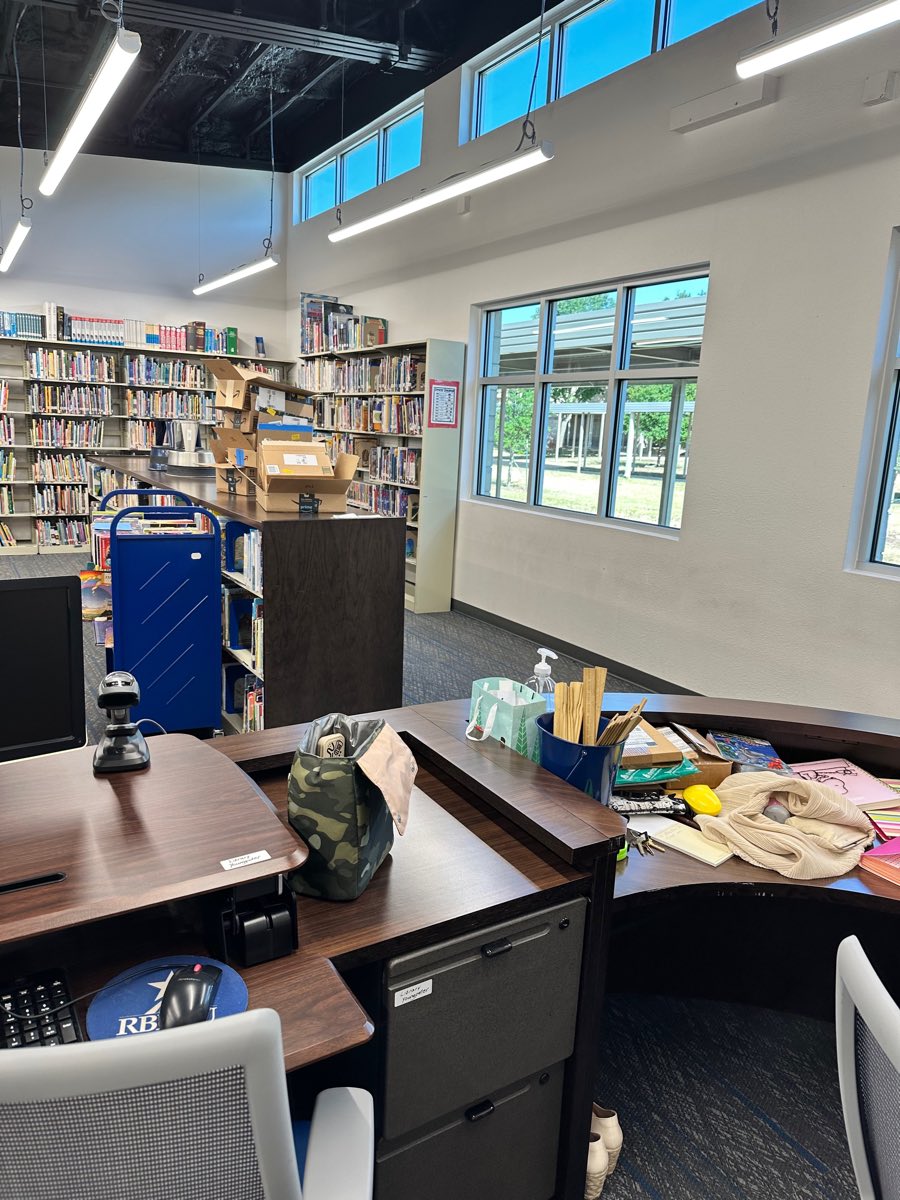
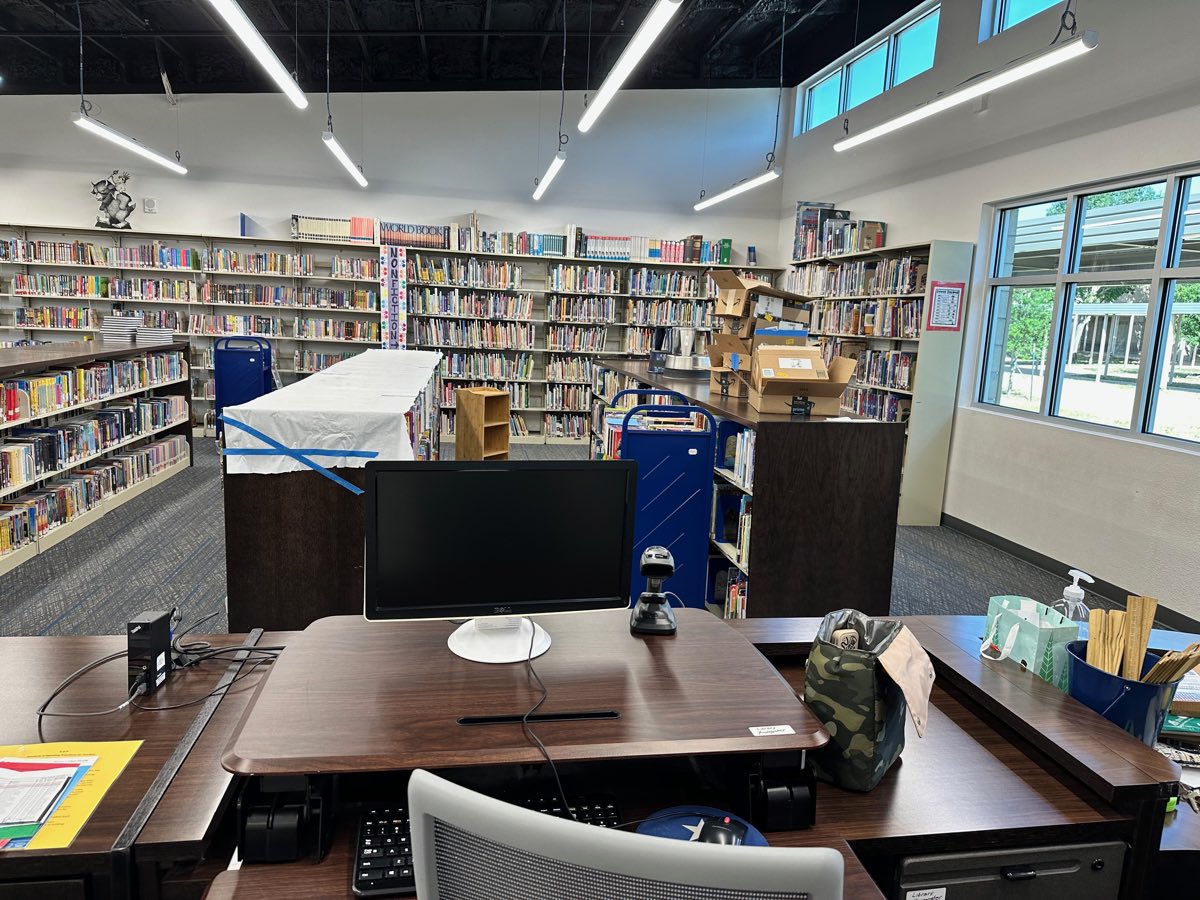
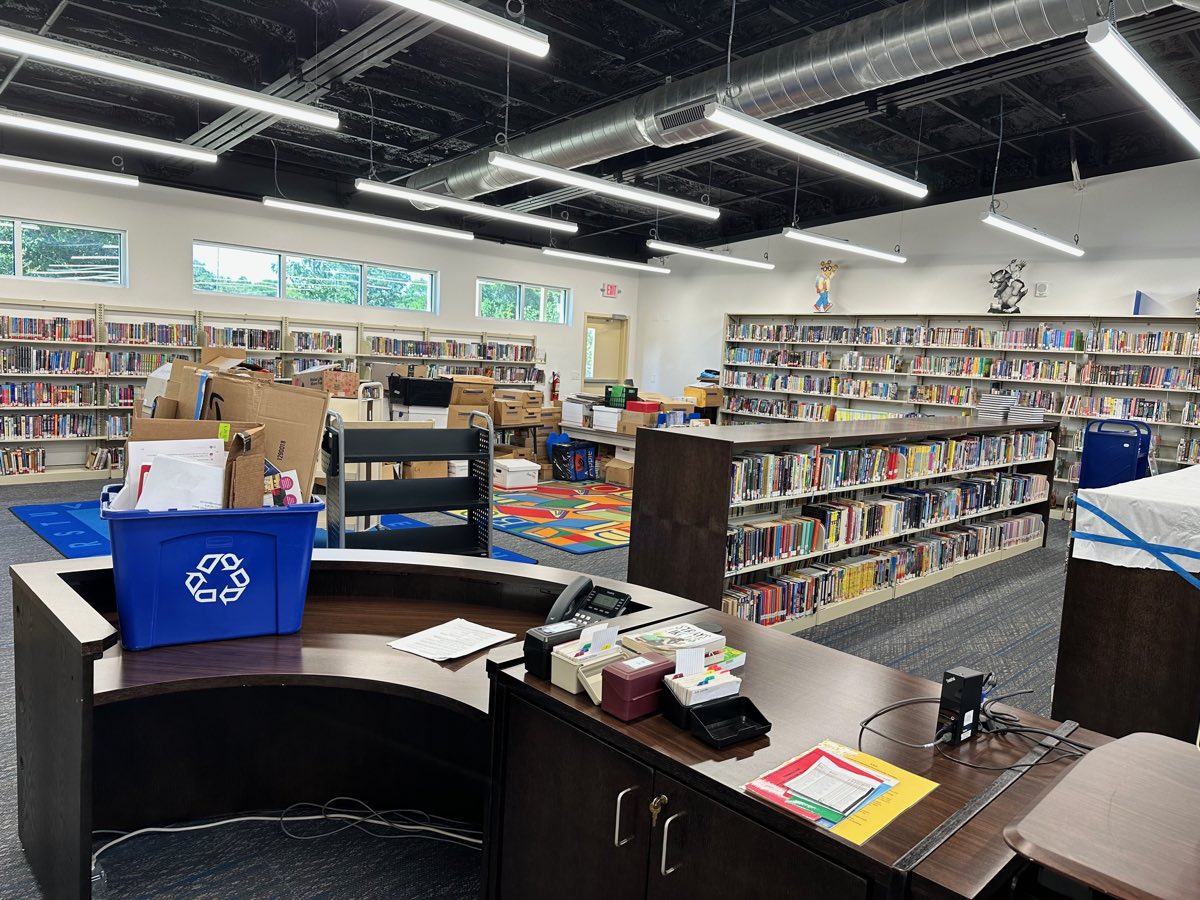
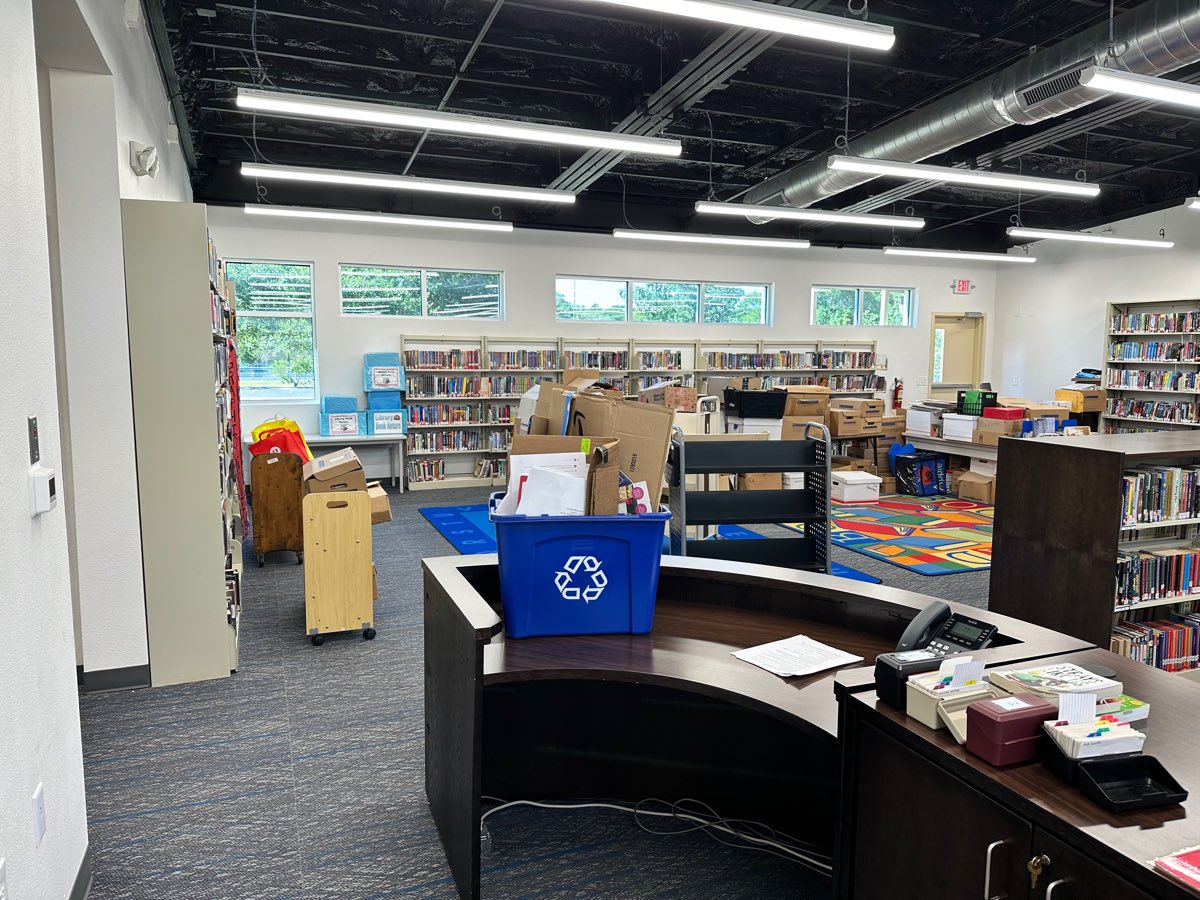
When I was first employed to renovate an elementary school library, what I found was an impractical space designed without intention. Two years after being relocated into a large, dedicated room, the library had languished for lack of pedagogical vision.
Fiction was scattered haphazardly across three separate locations — running halfway along the back wall before abruptly giving way to non-fiction, jumping to low shelving in the center of the room, and spilling onto folding picnic tables positioned against the flow of the room. Children rarely made it past the letter K. Non-fiction shelves loomed out of reach, leaving first graders balancing on stools just to see books on animals. Graphic novels sat forgotten on the floor, while reference titles were stacked high on top of the shelving units — out of reach for even the adults.
Without design or purpose, a room filled with books remains just a room filled with books.
Over the next eighteen months, I set out to give the space a clear direction — reorganizing the collections into intuitive, reachable access lines, introducing quiet reading nooks, and integrating community projects directly into the room. Every decision was guided by a single conviction: that fostering a genuine love of reading must be the primary goal of an elementary library.
A child cannot fall in love with reading in a space that breeds friction, confusion, or fatigue. Instead, I transformed the room into a sanctuary of discovery — a place designed to spark curiosity, invite lingering, and ignite a lifelong sense of wonder.
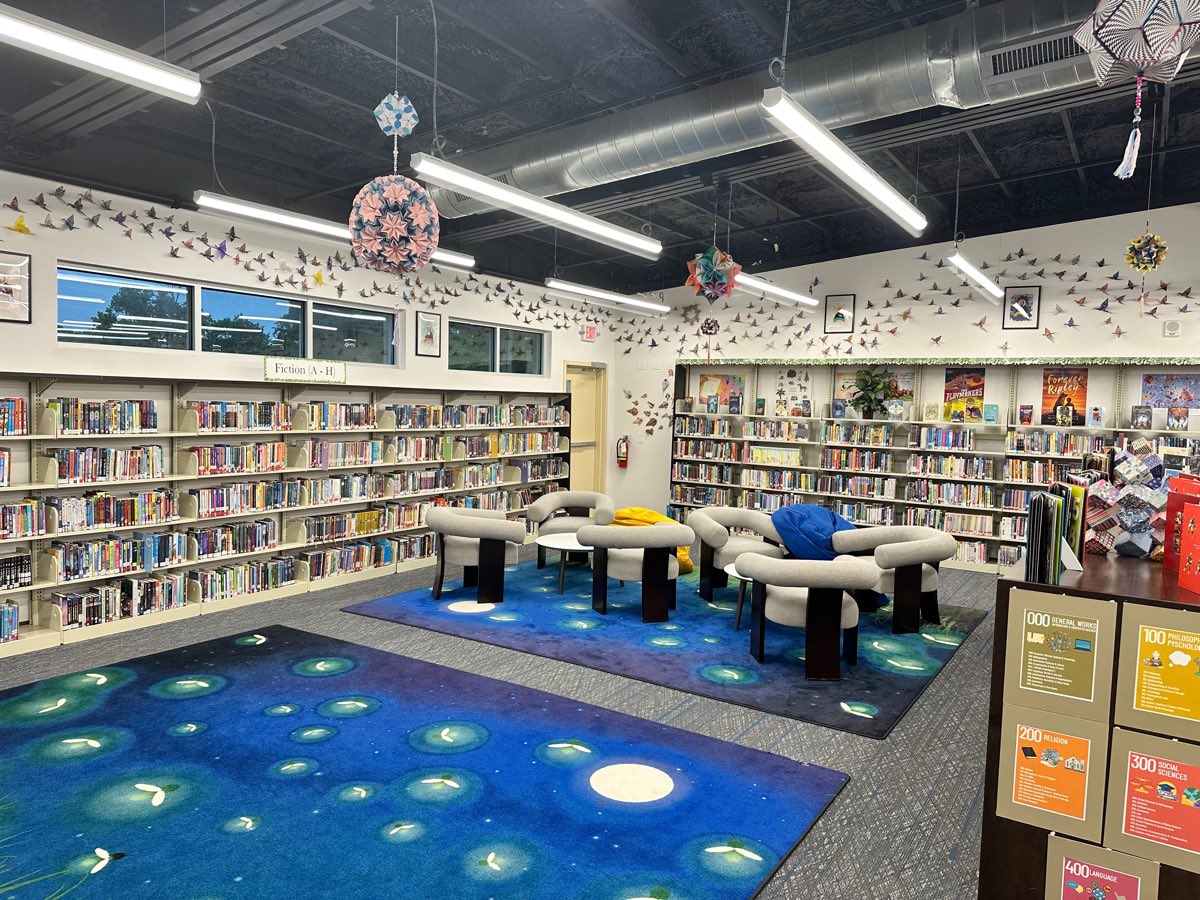
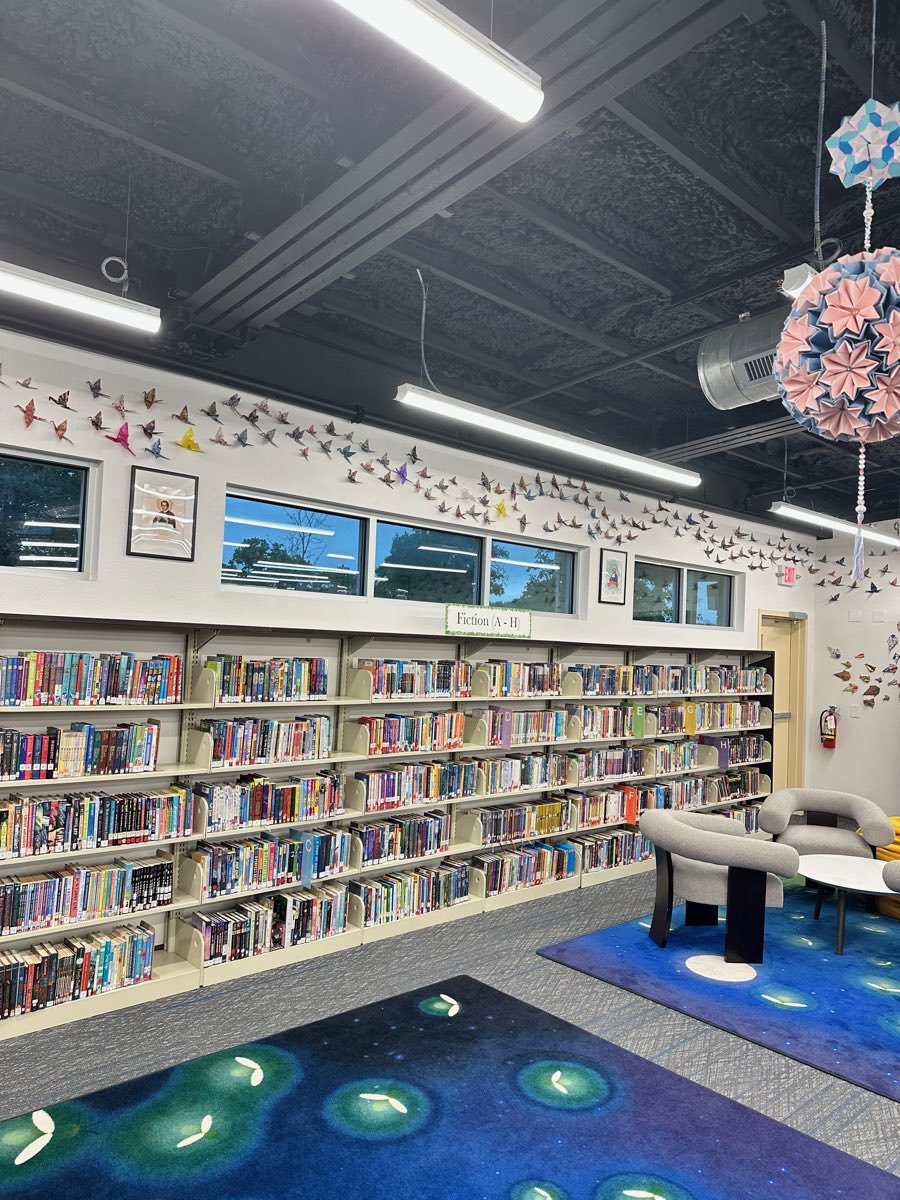
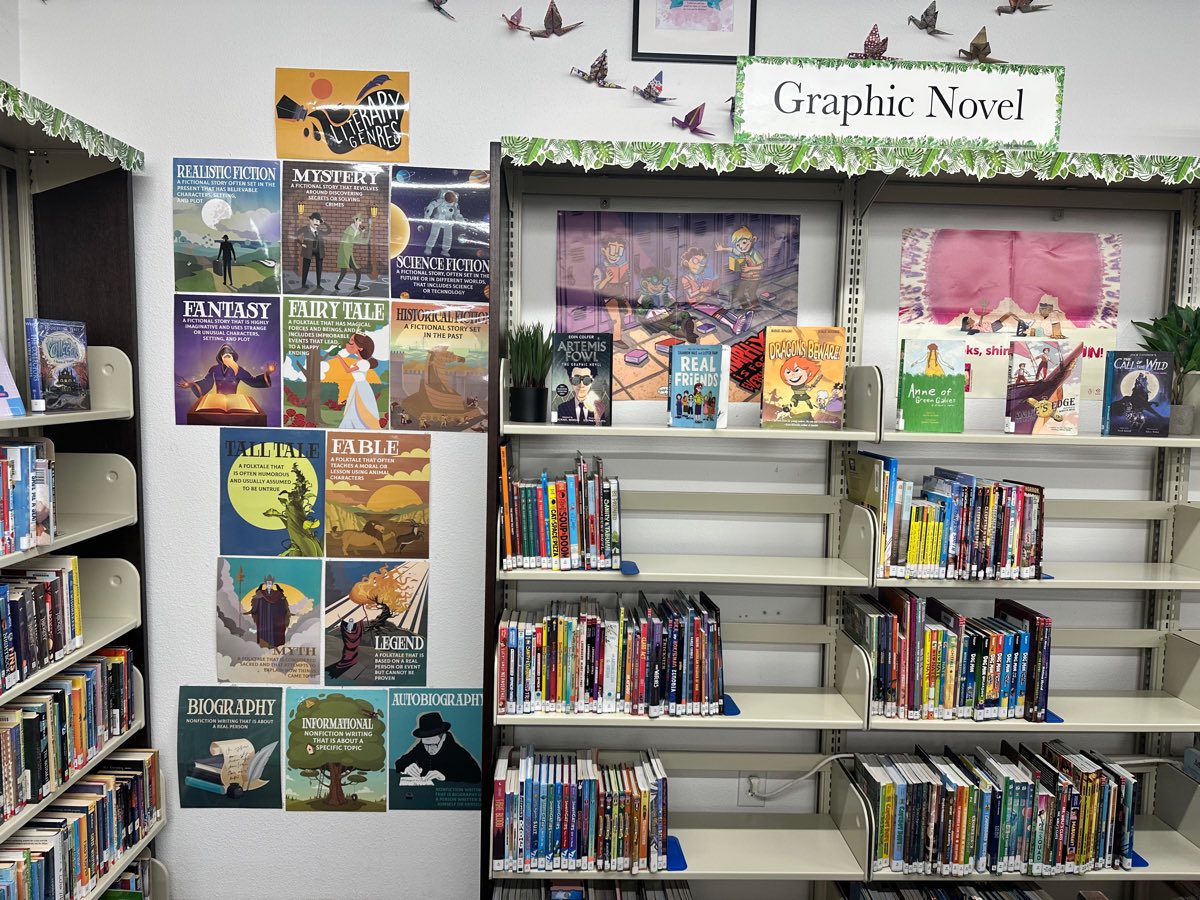
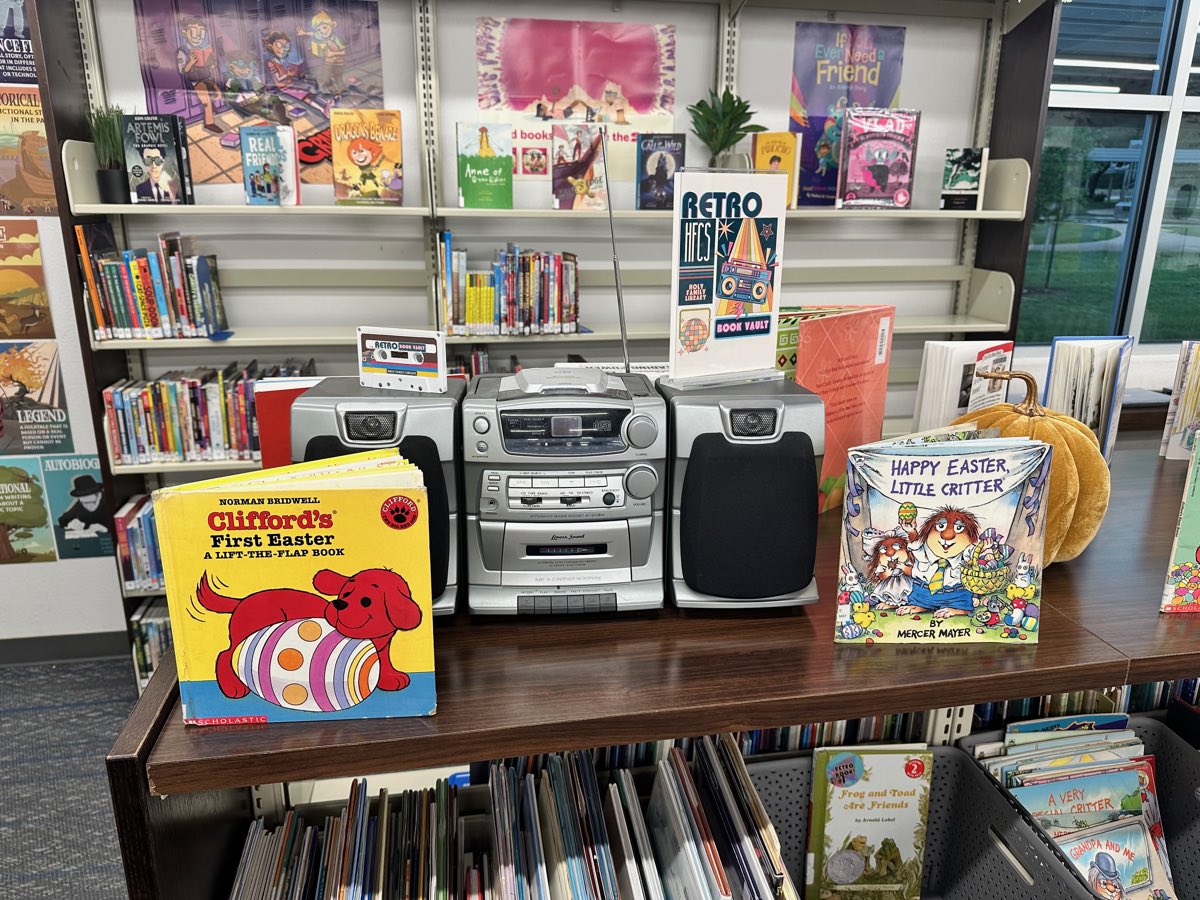
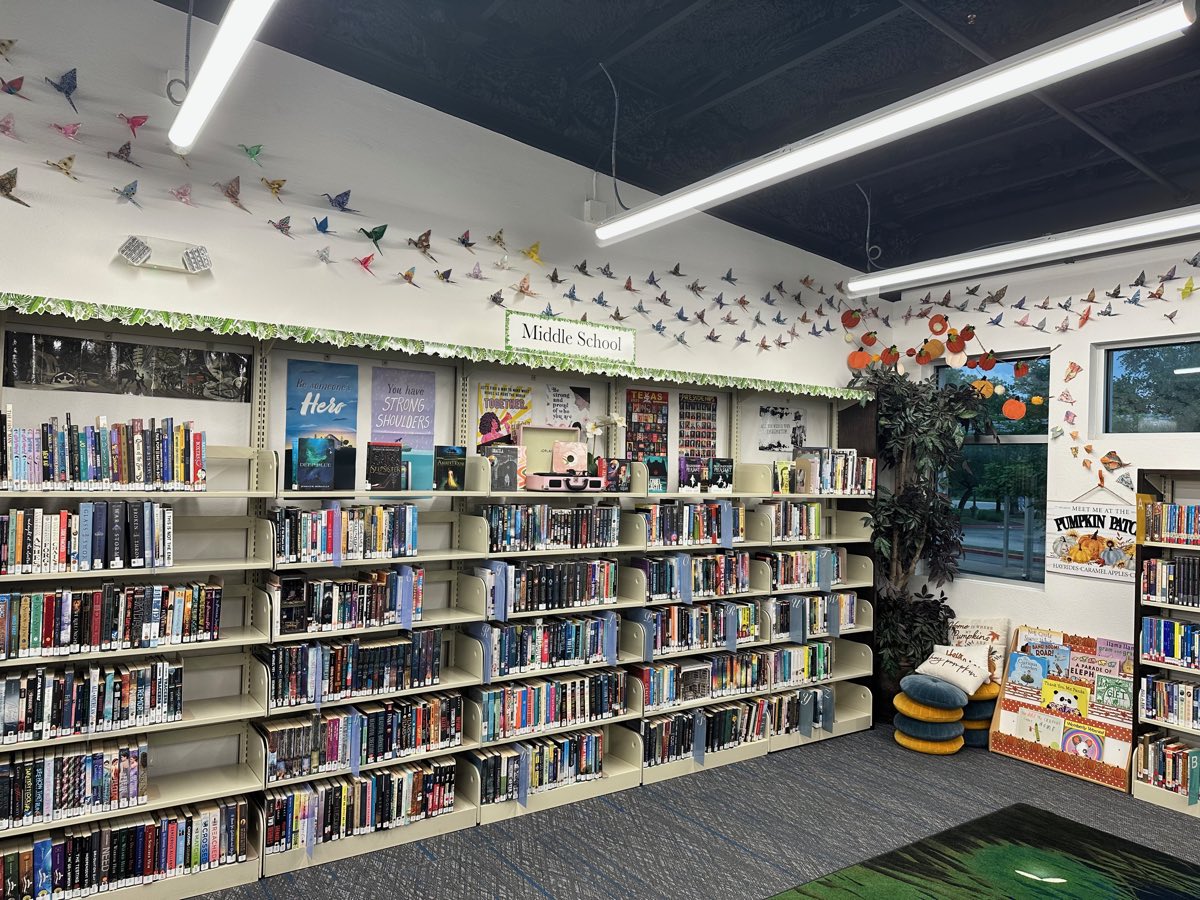
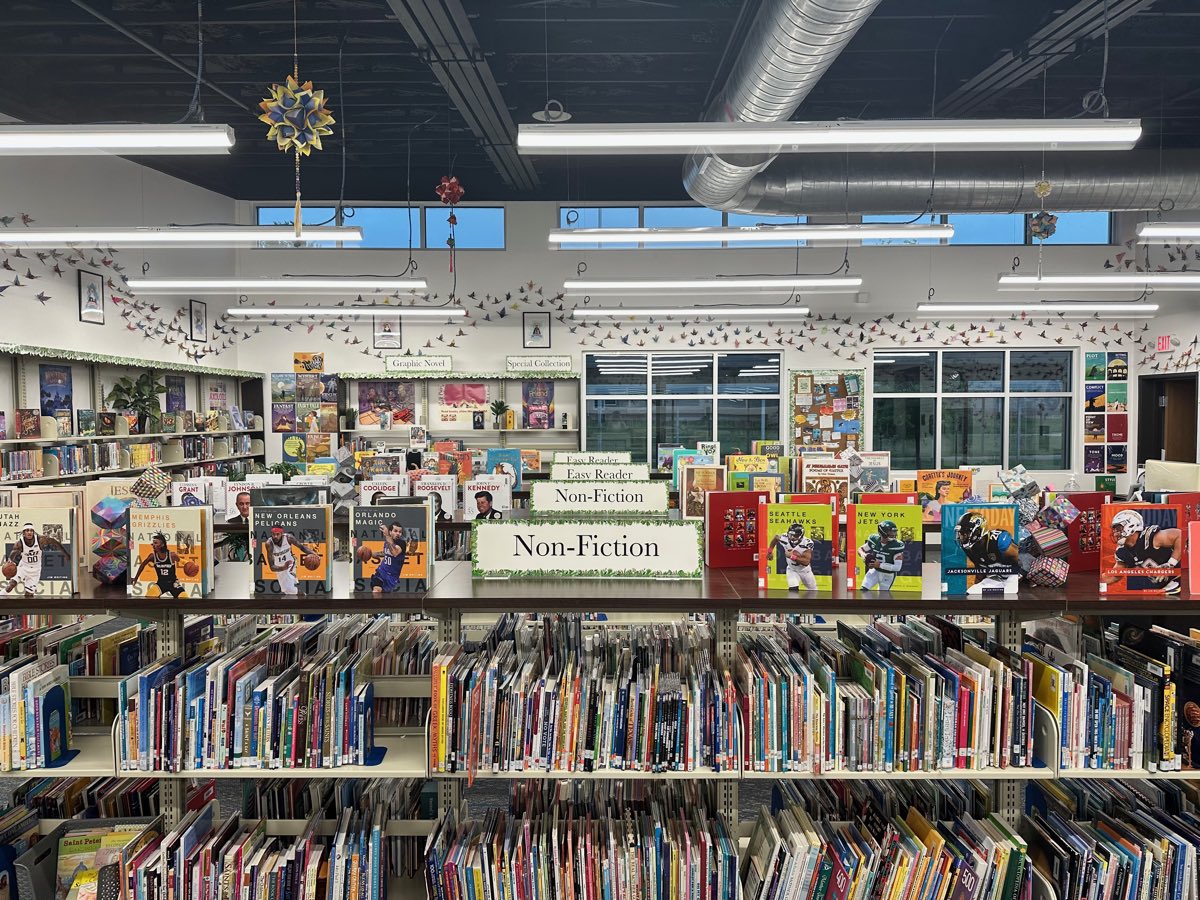
“Every time I step into her library, I find something new to explore and feel a sense of wonderment that is also evident in the eyes of the students there too.”— Administrator, 39 years in public and Catholic education

It is not enough to foster a love of reading if we fail to support students as they transition from early literacy into reading for purpose, inquiry, and research.
Following the completion of the elementary library, an audit of our middle school collection revealed a critical deficiency. The library fell far short of national standards: the non-fiction holdings stood at under five books per student — against an industry standard of ten to fifteen — and the majority were over fifteen years out of date.
This gap was more than inadequate; it was detrimental to academic growth. Without a dedicated research space or formal instruction in information literacy, students were pushed toward unvetted search engine results and away from primary sources and rigorous academic preparation. Teachers were asking fifth through eighth graders to evaluate sources and conduct independent inquiry, yet the library offered virtually no contemporary physical evidence to work from. Meanwhile, the adjacent library classroom had devolved into a catch-all meeting room — devoid of identity, technology, or pedagogical intent.
To resolve this, I authored a comprehensive $44,332 capital proposal detailing collection expansion, ergonomic furniture standards, and full architectural renderings. The proposal was approved in September 2025 and fully funded by October: I spearheaded a fundraising campaign that raised $48,000 in just six weeks.
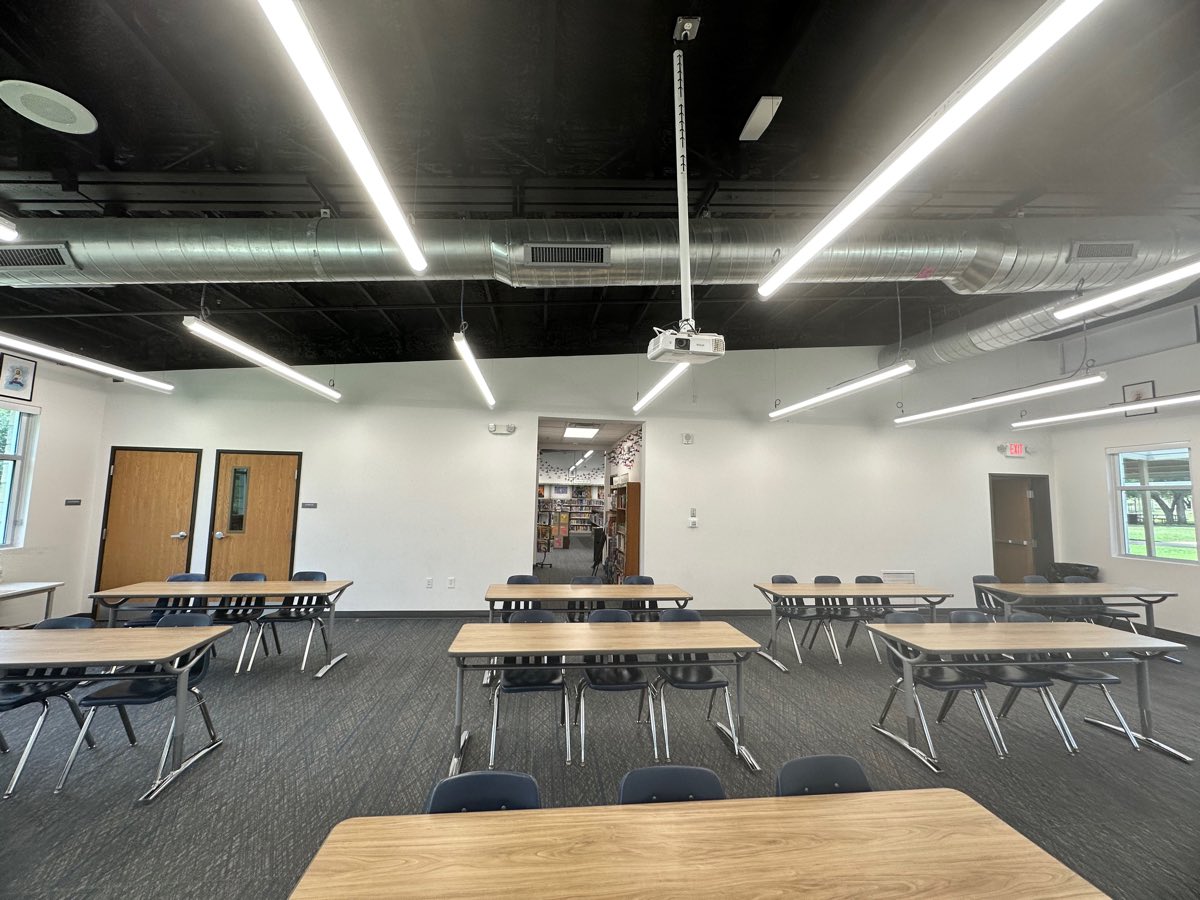
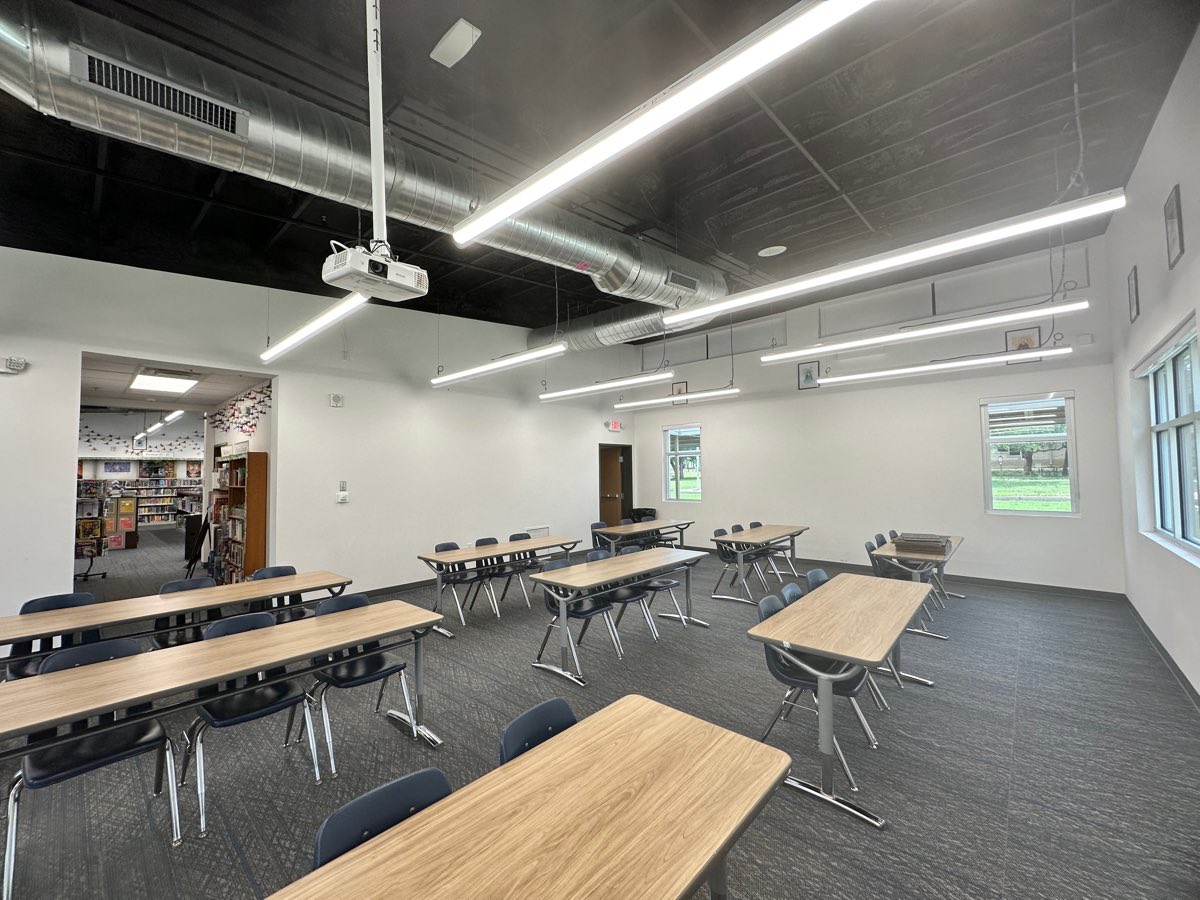
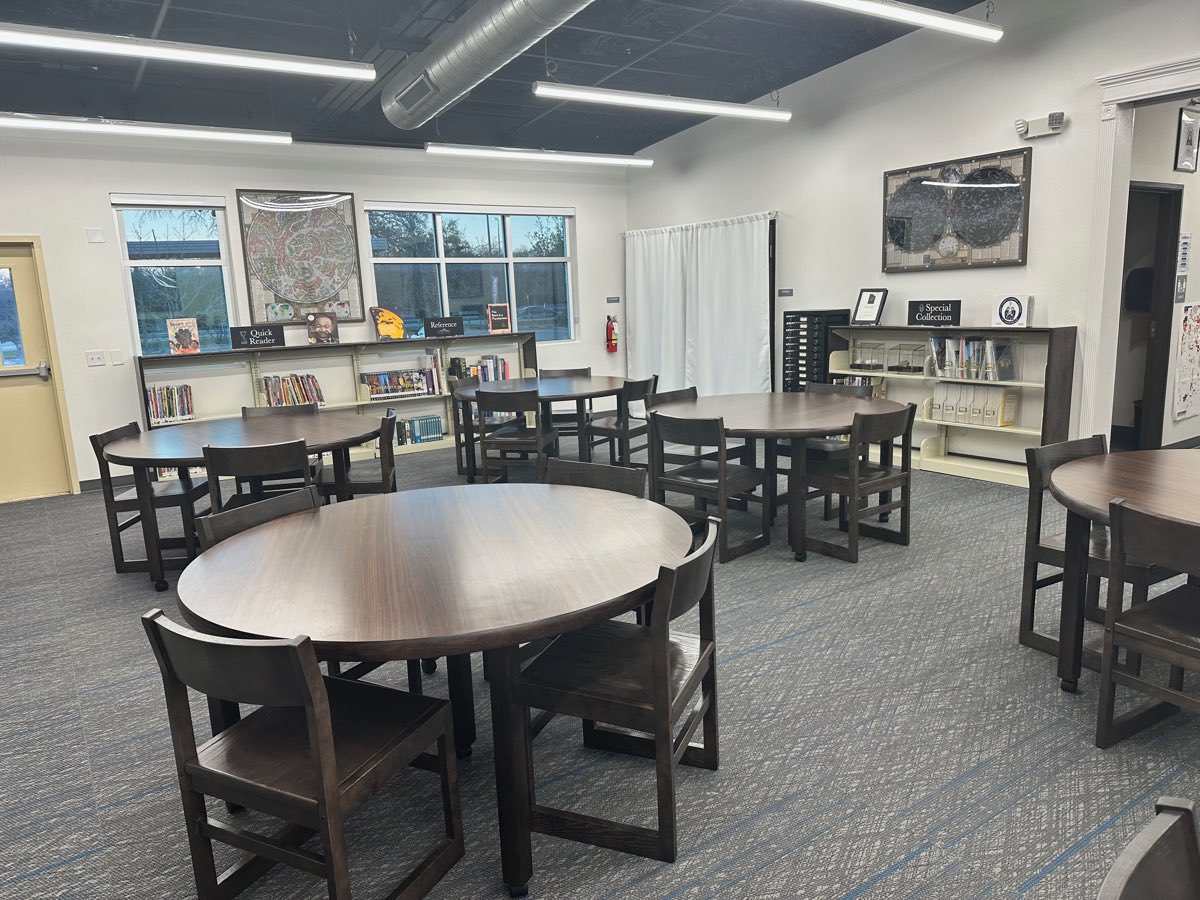
Designed around the aesthetic and intellectual rigor of a classic natural history museum, the space was reimagined to blend authentic academic research with an environment middle schoolers actively wanted to inhabit and teachers eagerly sought to utilize.
I served as both the architect and the builder — hand-painting surfaces, cutting timber, constructing custom shelving, and installing displays. Within four weeks, the room became functional for instruction; within four months, spanning December through March, the new St. Benedict Middle School Research Center officially opened its doors.
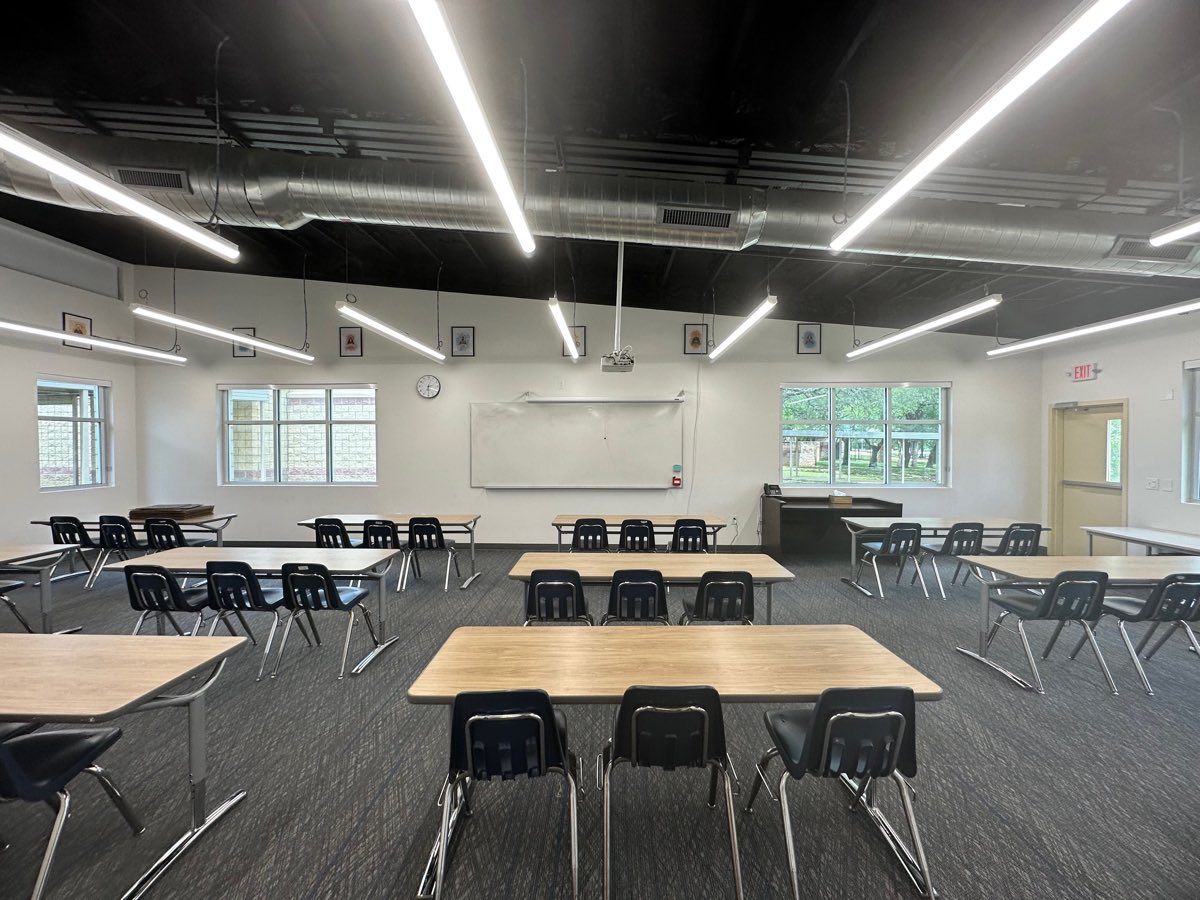
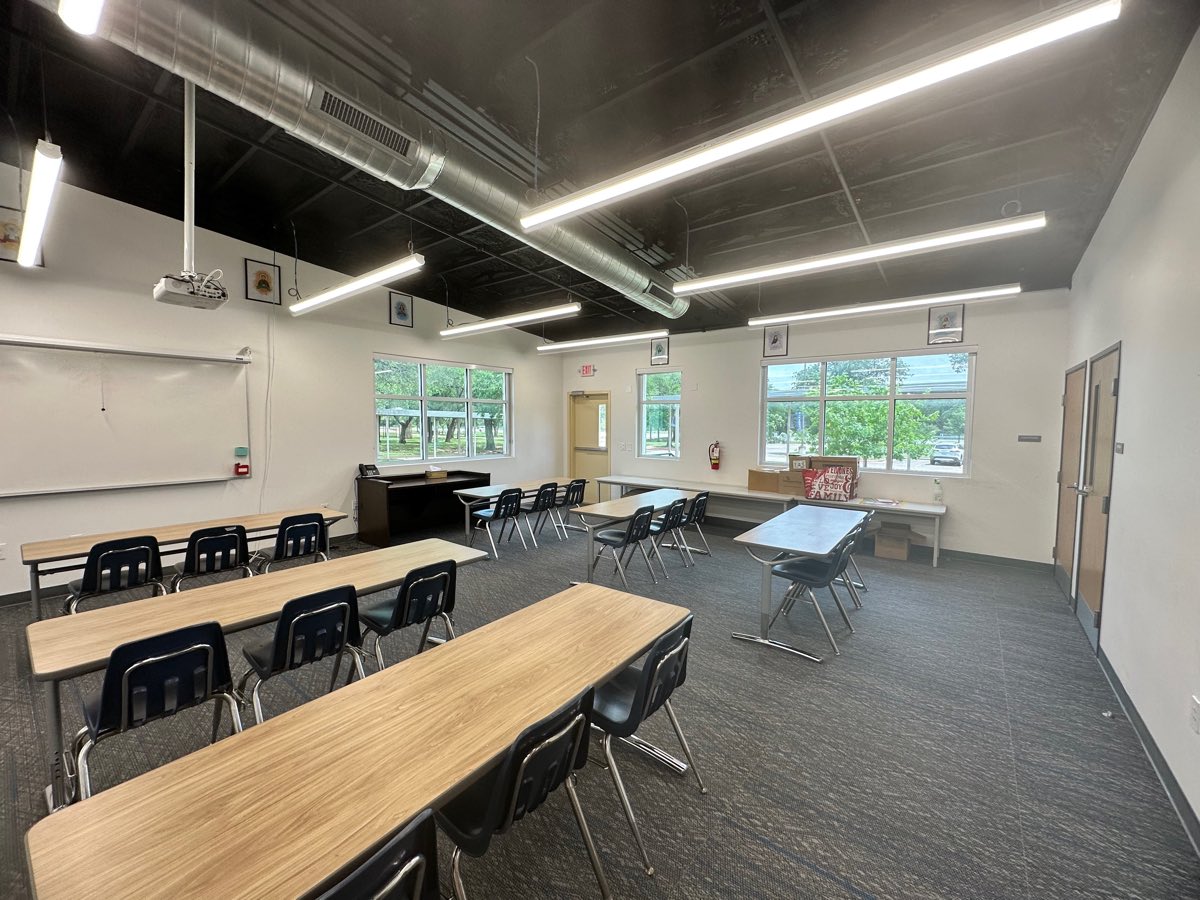
“Ms. Kahn has single-handedly had the biggest impact on Holy Family since it was founded. We need 100 more of her.”— Parent
From Scholastica to Benedict: guiding young minds from initial wonder into disciplined inquiry.

Saint Gertrude House is a student-run publishing imprint and advanced elective that transforms the traditional library support role into a professional publishing house. Operating with real-world rigor, students experience every facet of literary production — from acquisition and editorial revision to design, publicity, and distribution.
By empowering students to run the press, Saint Gertrude House bridges critical information literacy with tangible creative execution, teaching participants how to analyze library circulation trends, evaluate market gaps, and manage complex, multi-month production pipelines.
The Mini Modern (MiMo) is not merely an installation series; it is an educational movement designed to democratize access to culture and dismantle the barriers that separate children from masterworks of art. Too often, significant cultural institutions remain economically out of reach, geographically distant, or intimidating to navigate.
MiMo embeds museum-quality modern and contemporary art directly into the daily corridors and transitional spaces of schools. By transforming everyday hallways into immersive environments — such as walking directly through a Mondrian grid — MiMo asserts that visual literacy and cultural depth are fundamental human rights, not privileges reserved for the wealthy or the elite.
Bringing real art and cultural depth into the everyday architecture of learning — raising attainment by making high culture an accessible, living right for every child.

Everyday Encounter: Culture is absorbed through continuous exposure. By integrating fine art into the architecture of the school day, students build an intuitive, deep-rooted familiarity with major artistic movements and visual languages.
Dynamic Spatial Reinvention: Exhibits are designed to rotate and refresh, continually transforming physical environments to spark spontaneous inquiry, discussion, and renewed curiosity.
Cross-Curricular Literacy: Exposure to masterworks builds foundational real-world skills: advanced information literacy, critical visual analysis, empathy for diverse perspectives, and the capacity to discern meaning in an increasingly complex visual world.
Community Integration: Extending beyond the classroom walls, MiMo connects students and families to a shared cultural vocabulary, elevating academic attainment and fostering lifelong engagement with the arts.
A library is only as strong as the systems, financial architecture, and curatorial vision that sustain it. Transforming school libraries from passive storage rooms into vibrant academic hubs requires more than design — it demands rigorous administrative leadership, diversified fundraising, and institutional governance.
Across my library directorships, I operated with a zero institutional operating budget for programmatic expansion, successfully securing comprehensive capital investment entirely through independent grant-writing, donor cultivation, and strategic advancement.
Spearheaded major capital fundraising campaigns, securing tens of thousands of dollars in rapid six-week funding windows to build and launch state-of-the-art research facilities from the ground up.
Architected and managed multiple sustainable funding streams — including community art raffles, named and memorial book endowments, community foundation grants, Parent Association partnerships, and structured seasonal book fairs.
Directed multi-year operational budgets and inventory accounts with absolute transparency, ensuring smooth leadership transitions and fully balanced opening balances for incoming personnel.
Curated specialized primary source collections — including 1930s–1950s periodicals, heritage cathedral leaflets, and historical theatre programs — to bridge library resources directly with history, religion, and art curricula.
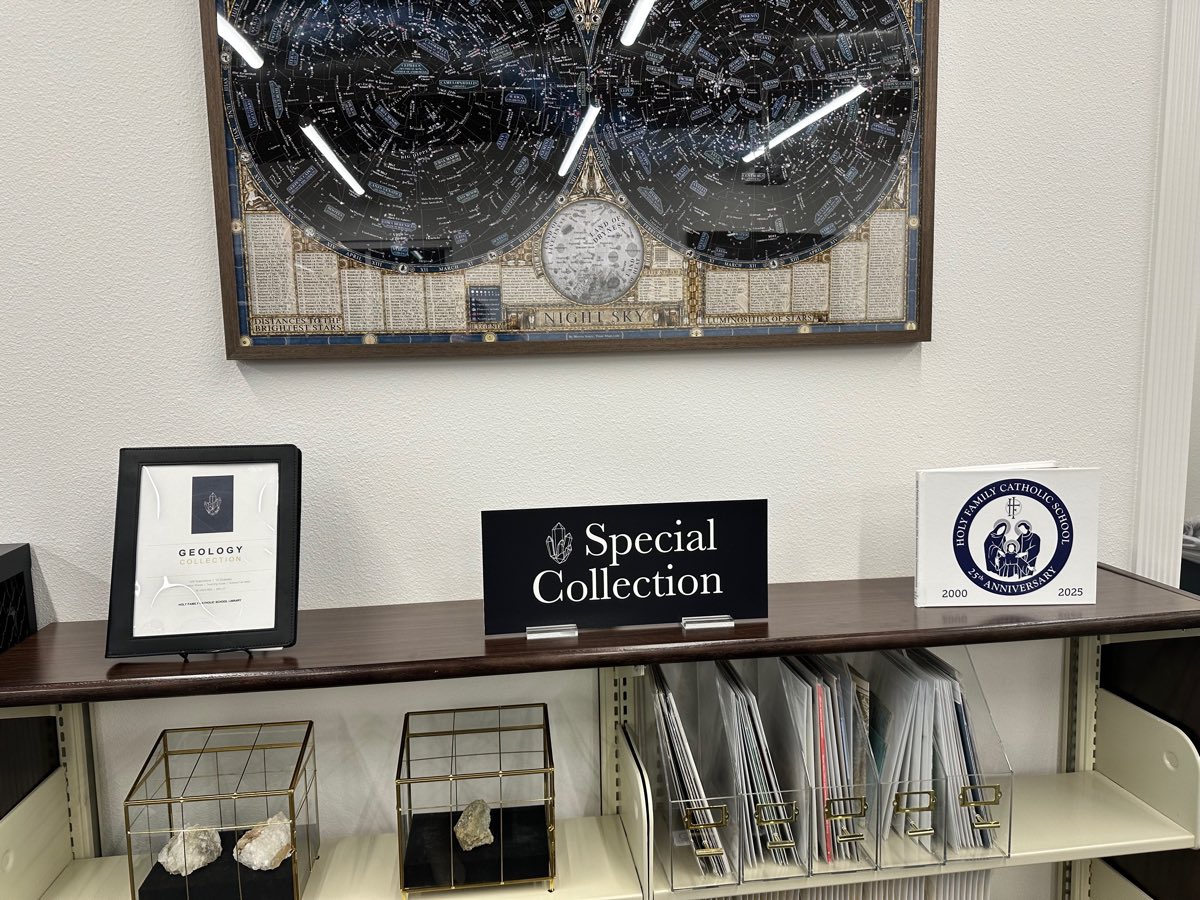
Developed and classified physical geological holdings, including cataloged rocks, geodes, fossils, and semi-precious stones, transforming the library into an interdisciplinary teaching museum.
Engineered original classification schema and cataloging protocols for non-traditional, non-ISBN holdings, establishing professional preservation standards typically found in university special collections.
Authored complete institutional policy manuals from scratch, standardizing collection management, intellectual freedom safeguards, and multi-facility operations in alignment with district and state accreditation standards.
Established structured, multi-step governance workflows for challenged materials, balancing community collaboration with the protection of academic and intellectual freedom.
Implemented progressive, zero-late-fee circulation policies rooted in student grace and character formation, alongside systematic weeding guidelines utilizing adapted MUSTIE criteria.
Library design, program development and advancement for schools and dioceses.
hello@veritykahn.com027.8 · Methodology & transformation
A school library is the democratic heart of a campus. This is the method that turns an underused holding room into a research center and a story laboratory: strategic curation, grassroots funding, and spatial design that assumes children are worth the trouble.
Stagnant shelves come out. In their place: clear signage, a dense non-fiction collection, micro-museum display cases, and tactile book nooks that invite a child in rather than asking them to be quiet. The room should reward exploring it.
Students take professional roles as publishers, editors and designers, and carry their own writing from raw manuscript through to a bound volume with an ISBN. Literary confidence is a by-product of having actually made the book.
Access extends past the school day through monthly Saturday openings, family literacy sessions and cultural celebrations. Reading stops being schoolwork and becomes something a family does together on a Saturday morning.
Institutional dependency is replaced with data-driven grant applications, micro-donations, record-breaking book fairs and tiered donor structures. The point is funding that survives a change of principal.
A proven, scalable blueprint for restoring wonder, academic rigor and creative agency to school and public libraries. Let's design yours.
027.8 · Inside the room
What eighteen months built
A beautiful library is never decoration for its own sake. Every decision across the transformation of the Saint Scholastica Library — from its naming to its finishes — was rooted in intentional pedagogy tailored specifically for elementary-aged children.
To bring the room back into proportion for young learners, I immediately lowered existing shelving to age-appropriate heights, finishing each row with proper shelf ends and tops. Low-profile display shelves were installed along the top to showcase featured titles and reading program posters, refreshed annually to keep the collection dynamic.
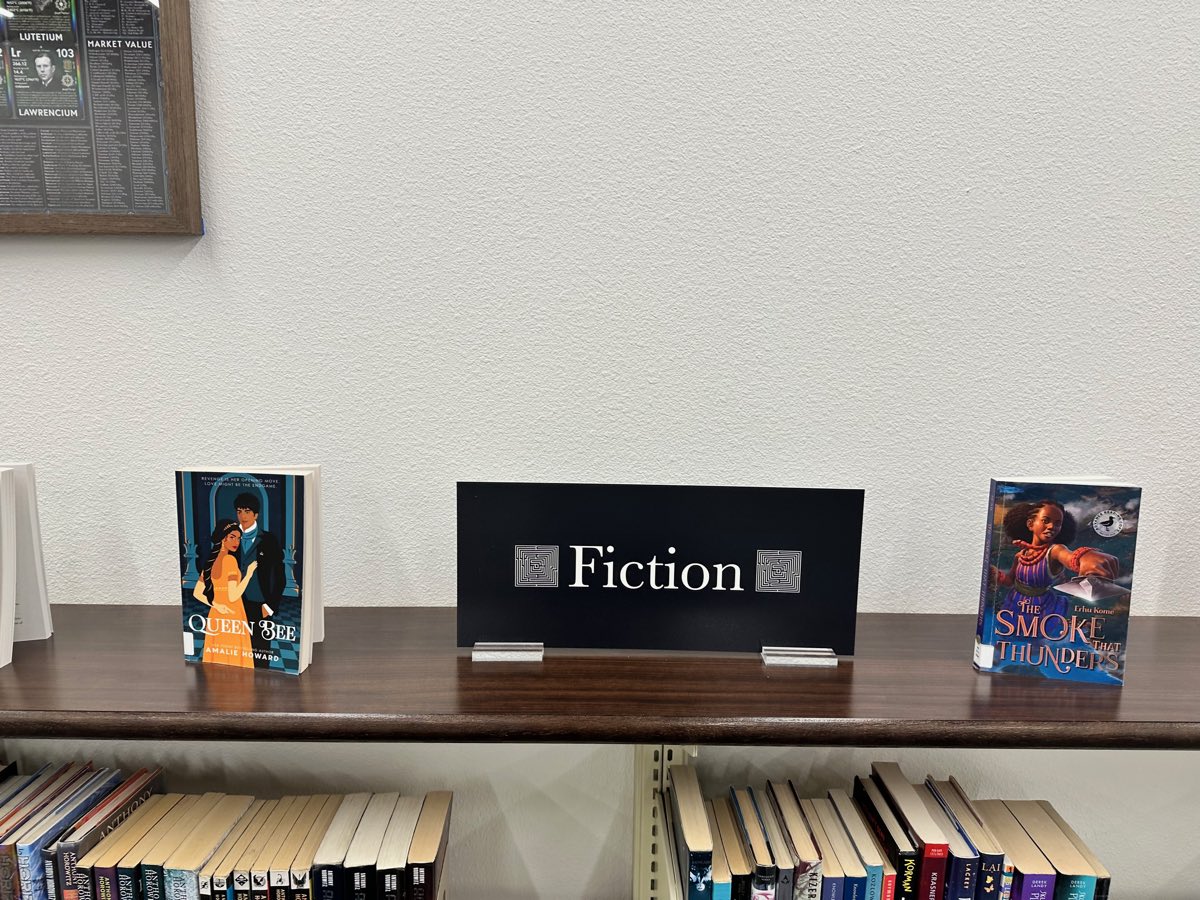
A vibrant botanical framework — lush greenery accents, plant edging, and firefly-patterned carpeting — brought a sense of outdoor wonder inside. Collections were completely reorganized into clear, intuitive zones so that fiction, picture books, and non-fiction lived in dedicated areas without intersecting. Picture books were moved strictly to lower tiers within reach of early readers. Custom signage was designed for every section, paired with shelf markers featuring distinct colors and characters to help students navigate alphabetization and Dewey decimal numbers independently.
Ownership of a space begins with participation. One of my first initiatives was the 1,001 Crane Project, built around the Japanese tradition that folding a thousand paper cranes, plus one for good luck, grants a wish. I held workshops for pre-K3 through 8th-grade students, faculty, and parents, teaching the community to fold cranes inscribed with their personal wishes. Suspended together, 1,001 paper cranes flew across the library ceiling, instantly transforming the room into a vibrant community hub. To maintain that momentum, I introduced weekend library programming featuring monthly family events, seasonal workshops, and literacy treasure hunts.
To spark active exploration while the collection was being reorganized, I introduced “Hidden in the Stacks.” Each month, a detailed wooden book nook or miniature diorama representing a literary classic — ranging from Alice in Wonderland and The Hunchback of Notre Dame to Ancient Egypt and Van Gogh — was tucked onto a shelf beside its companion title. Finding the new installation became a beloved monthly scavenger hunt that routinely drew children into overlooked sections of the stacks.
To breathe new life into older or underutilized titles, I created “Retro Book Vaults” — vintage media aesthetics, retro boomboxes, record players and VCR motifs alongside custom stickers to signal forgotten gems worth rediscovering. We also highlighted autographed editions: whenever a student checked out a signed book, they received a custom sticker to place on a collaborative mosaic board in the library, slowly revealing a completed artwork over the course of the term.
When a resident banana spider took up residence outside our window during the renovation, the students were completely captivated. Leveraging that organic curiosity, I raised funds to install a bug hotel and a bird feeder equipped with a motion-activated camera directly outside the glass. Dedicated with a plaque to Saint Felix, the patron saint of spiders, the installation streams live wildlife footage and observation logs straight into early childhood science lessons — connecting quiet indoor reading directly to outdoor discovery.
A dedicated, welcoming reading corner was built for younger students who arrived without their library materials, ensuring no child felt excluded during class visits. For older readers, weekly and monthly periodicals were displayed prominently to foster engagement with contemporary journalism and non-fiction commentary. Comfortable, flexible seating areas were added throughout, supported by extended before- and after-school hours that allowed families to read together.
Operating with a minimal operational budget meant taking full ownership of development and advancement. I instituted record-setting book fairs — generating over $30,000 in gross sales and netting $8,000 directly for library resources. I designed and folded intricate origami installations that were raffled off at the end of each school year, raising an additional $1,000 annually. To ensure every child had access to personal home libraries, I established end-of-term $1 book sales using weeded titles and surplus donations. Targeted grant writing, custom bookmark sales, and a tiered family sponsorship model rounded out the funding framework.
In the first year alone, book circulation increased by nearly 30%, parent engagement grew by over 50%, and family checkouts surpassed 200 books per month — establishing a thriving literacy framework that continues to grow year after year.
027.8 · Inside the room
Research infrastructure
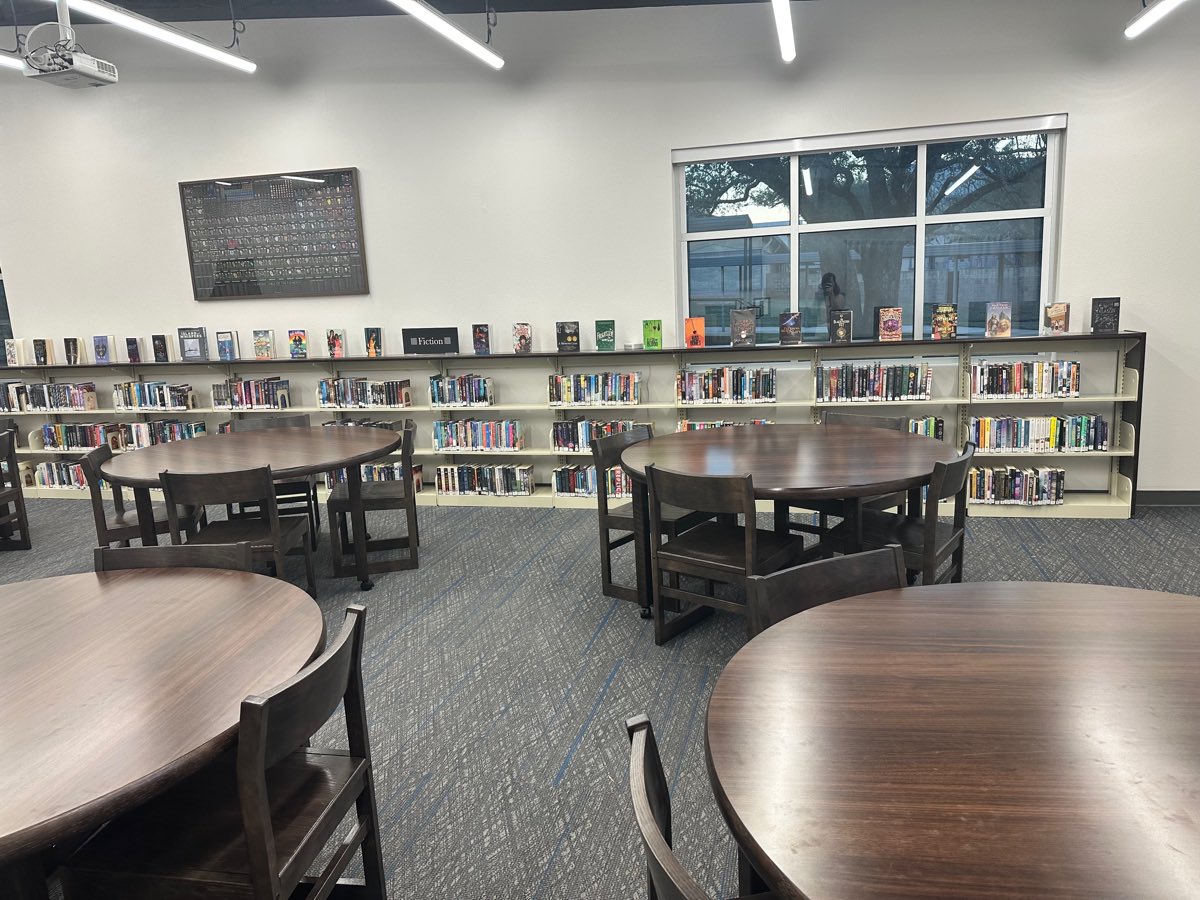
The St. Benedict Middle School Library was built on a foundation of pedagogical research, student engagement, and the specific curricular demands of middle school education. Designed around the immersive aesthetic of a natural history museum, every element within the space was chosen to bridge curiosity and academic rigor.
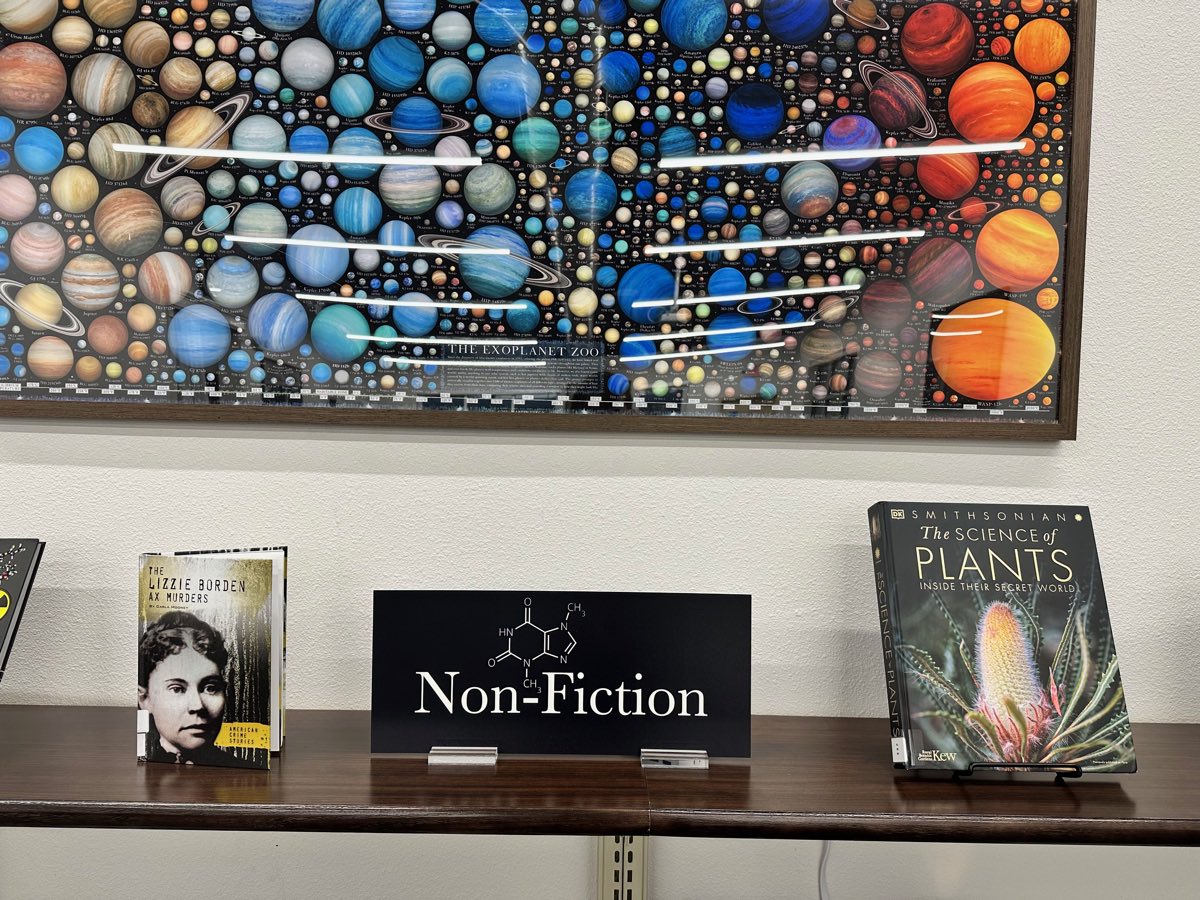
The collection underwent a massive transformation, growing non-fiction holdings from fewer than 30 titles to over 800 comprehensive works. The new acquisition strategy directly supports every middle school subject, including theology, athletics, fine arts, world languages, and mathematics. To engage diverse learning styles, graphic novel holdings were expanded tenfold, alongside the creation of a dedicated non-fiction graphic novel section that presents complex historical and scientific narratives in an accessible, visually rich format.
With a generous private donation, the library incorporated 149 cataloged geological and mineral specimens. These are housed across twelve themed study drawers, each accompanied by detailed reference binders listing drawer holdings, grade-specific lesson plans, and science fair project frameworks. Additional specimen sets are kept in dedicated storage to support hands-on experiments and classroom lab work.
The natural history museum concept extends into active life and earth science research. Ethically sourced entomology displays are paired with in-house research binders, alongside 66-million-year-old Otodus obliquus shark teeth and prehistoric fossilized sea urchin specimens. Nothing in the room serves as mere decoration; every display is an active teaching tool integrated into real coursework and scientific inquiry.
To encourage passive discovery and spatial learning, the walls feature high-density visual research charts, including celestial maps of the night sky, exoplanet charts, an exhaustive periodic table, and a comprehensive literary map.
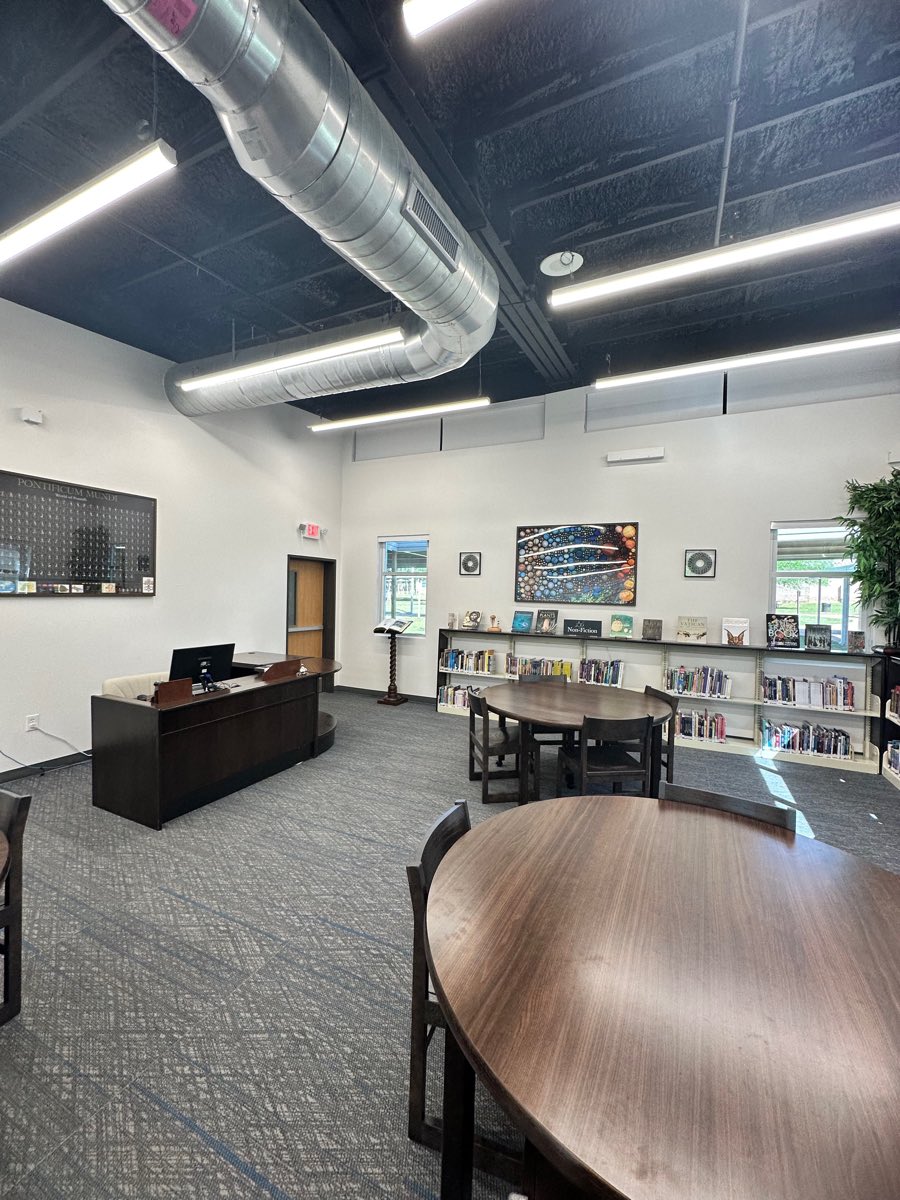
A centerpiece of this collection is Pontificum Mundi, a custom-designed 40 x 60 inch historical chart documenting all 265 popes through detailed marble-bust portraiture. As the most detailed informational chart on papacy history in existence, it provides a unique research anchor for history and theology classes alike. Custom handmade signage and shelf markers throughout the space further reinforce the research environment while streamlining shelf navigation.
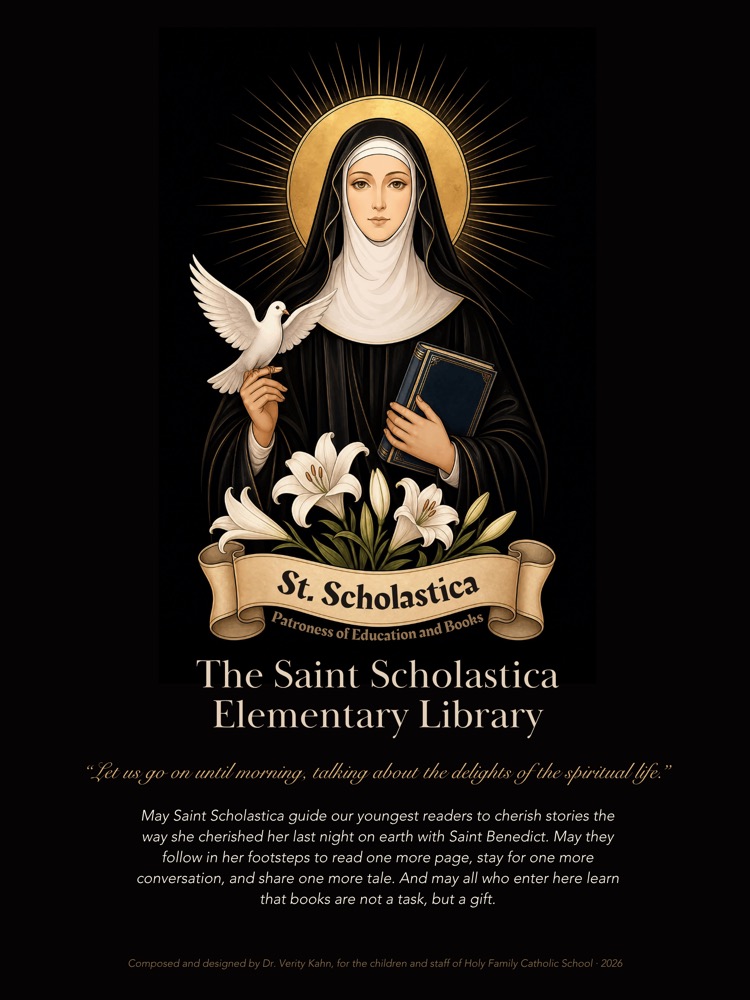
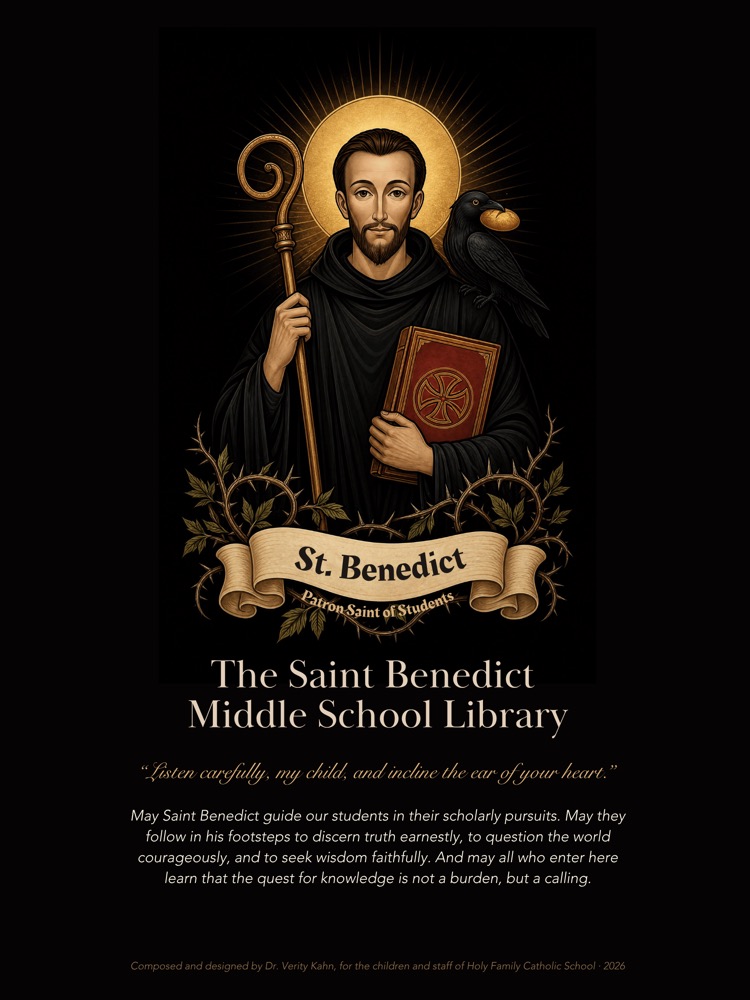
Upon completion, both libraries were formally named to reflect their Catholic school context through the twin patrons, Saint Scholastica and Saint Benedict. The St. Scholastica Elementary Library honors the saint known for her deep love of meaningful conversation and learning, embodying the spirit of “just one more page, one more conversation.” The St. Benedict Middle School Library honors the patron of study, order, and scholarly discipline, providing an intentional, structured sanctuary for deep research, reflection, and intellectual growth.
The facility was designed to host full classes and collaborative working groups simultaneously. Featuring 60-inch circular tables that seat up to 32 students, the primary learning space fosters active group research, discussion, and peer inquiry, with folding seating for a further ten stored on site and room around the perimeter to set it out. A custom circulation desk supports seamless checkouts by library aides and offers a flexible workstation for visiting faculty.
Opened and blessed in April 2026, the library comfortably seats 42 students and aligns directly with Texas state standards (TEKS and TSLAC) and the AASL national library standards. To ensure long-term sustainability, the space was handed over alongside eighteen comprehensive policy and workflow documents, establishing clear operational frameworks so the institution can maximize the library's impact for years to come.
070.5 · The press, end to end
Replaces standard library aide coursework with an active publishing house where eighth-grade students apply, interview, and assume professional publishing roles.
Publishers: Oversee acquisitions, assign manuscripts to editors, track timelines using professional project management tools, and hold final decision-making authority during weekly pitch meetings.
Editors: Evaluate student submissions from grades 2 through 8, conduct substantive and line edits, draft formal rejection and acceptance letters, and collaborate directly with young authors.
Graphic Designers: Utilize industry-standard design and publishing software (including Illustrator and Photoshop) to build interiors, design covers, and match visual styles to individual manuscripts.
Publicists (Added Year Two): Coordinate school-wide launch assemblies, manage family outreach, generate promotional campaigns, and organize weekend author signing events.
Each title follows a rigorous 3-month production schedule, culminating in professional proofing, ISBN registration, cataloging into the permanent library collection, and printing availability for families.
“My 2nd grade students' creativity flourished, and they were proud to submit their books.”— 2nd Grade Teacher
A replicable model for turning library programming into genuine career skills and genuine literary confidence. Let's start yours.